Retail in 2026 is not so much about “new tech”, as it is about new operating models that change the way we work. These technology trends include AI becoming a daily co-worker, payments becoming a distribution strategy, and security, both online and in‑store is becoming paramount. Below are the trends that matter most for retailers, retail IT partners, and POS (Point of Sale) payments providers.
1) Agentic AI moves from a search tool to workflows
AI Investment, driven by the growth of Agentic AI-enabled applications, will reach $1.3 trillion in 2029. In 2026, businesses are moving beyond using AI as advanced Google search tools and are looking to build or acquire AI tools that intuitively provide them with “actionable intelligence” or complete manual tasks like receiving purchase orders directly into your inventory.
What this means:
- AI shifts from “experimental” to “executable” and becomes one of the defining retail technology trends of 2026.
- Retailers expect faster answers: AI-assisted support and knowledge search become the norm.
- In the AI “gold rush”, watch for vaporware while consuming marketing for AI technology solutions.
What retailers should do in 2026: Look for software providers that have both proven industry solutions and innovative AI in their product roadmap. Build AI policies addressing responsible use.
2) Modular POS systems gain ground
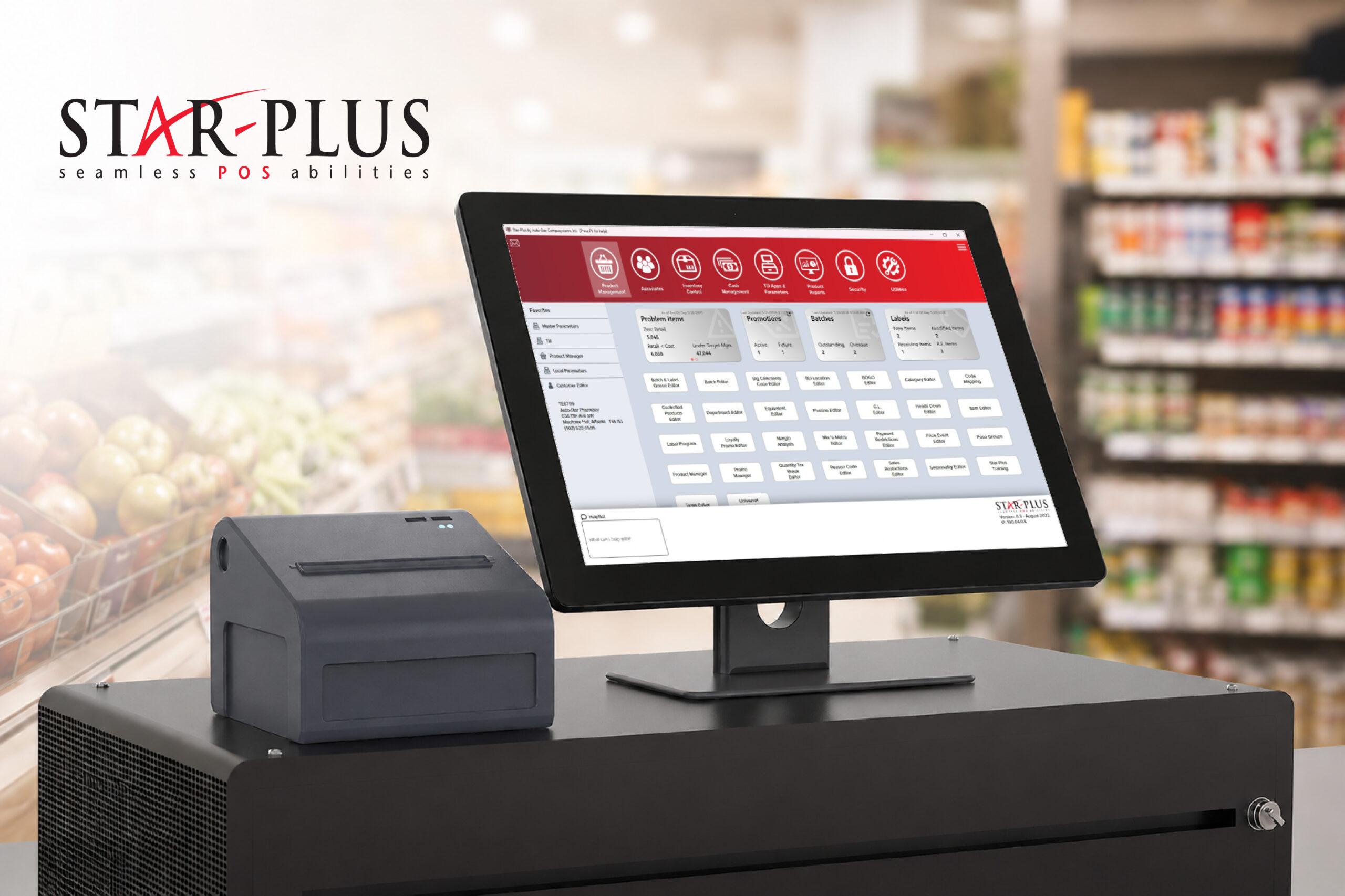
More retailers are adopting POS software that offers a modular approach, choosing components that fit the unique needs of their store (eCommerce, loyalty, scientific ordering etc.) and connecting them rather than buying one monolithic suite. This modular approach is one of the most practical retail technology trends for 2026.
What this means:
- Operating systems and apps that were only available to big box stores are now made affordable to smaller retailers.
- Price conscious retailers only pay for the features they truly want.
Practical tip: If your POS contract is coming up for renewal, start by listing your must‑have requirements and your nice‑to‑have “wish list” features. A modern modular POS might offer more options than you expect.
3) Value-seeking consumers drive tech investments in pricing and promo execution
Even with inflation stabilizing compared to peak years, the value mindset is sticking, and that drives a very specific set of retail technology trends in pricing accuracy, promo agility, inventory visibility, and margin analytics.
Deloitte’s 2026 retail outlook frames value-seeking as a lasting, foundational dynamic shaping strategy.
What this means:
- Tech budgets move toward systems that reduce execution errors with automation (promo mistakes, incorrect shelf labels, wrong price files).
- Retailers expect faster “change management” across stores, especially multi-location operators.
4) Loss prevention becomes a technology roadmap item
Shrink, theft, and safety issues continue to push retailers toward smarter front-end monitoring, especially around self-checkout and returns.
NRF’s Impact of Retail Theft & Violence 2025 report captures retailers’ concerns and responses to retail crime, underscoring that loss prevention remains a challenge going into 2026.
What this means:
- POS permissions, audit trails, and exception reporting become more central to buying decisions.
- Retailers want tools that reduce “policy drift” across stores: consistent void/return rules, manager overrides, and reporting.
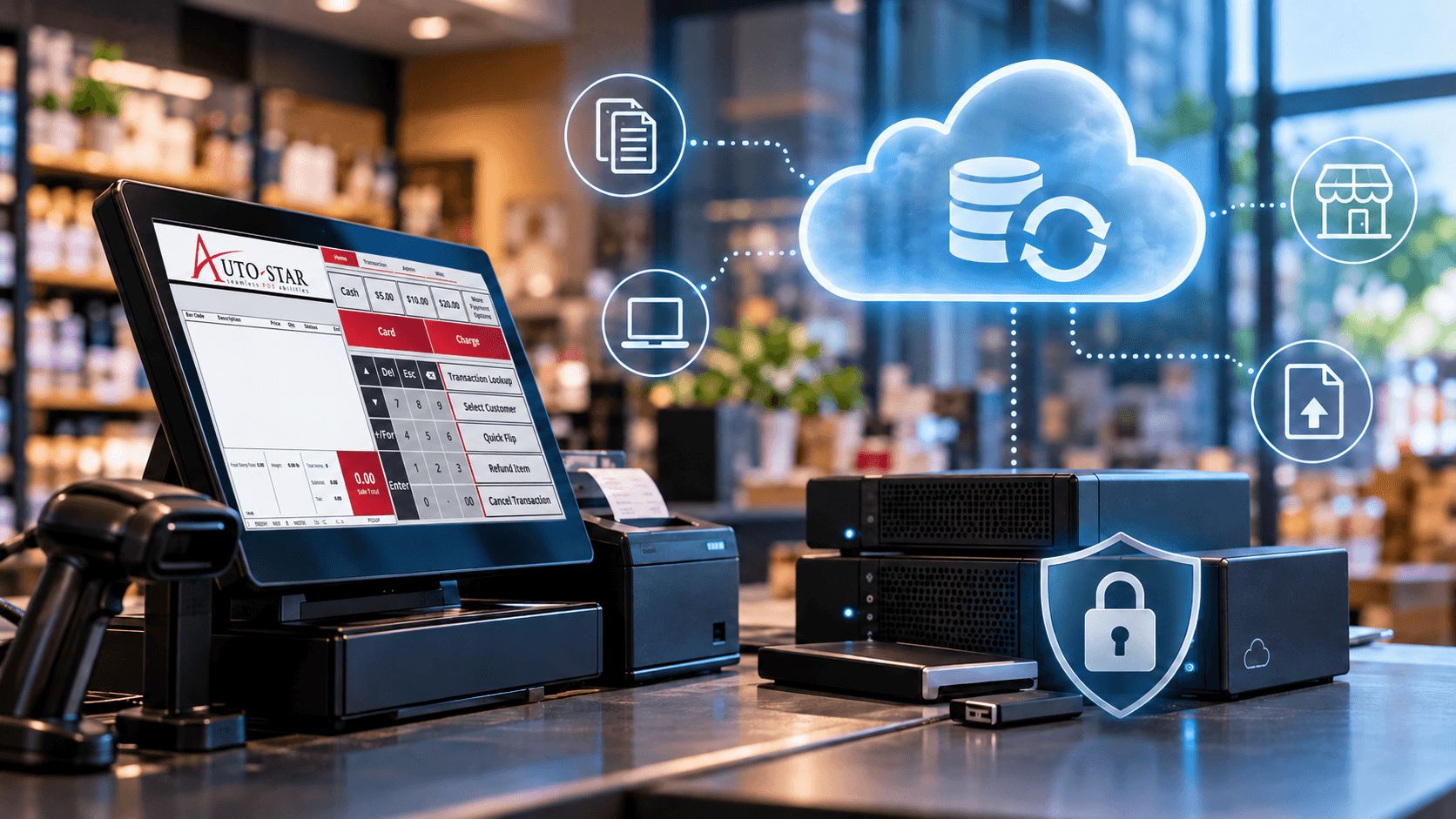
5) POS integrated payments have become a key technology trend
Across North America, payments competition is intense and margins are pressured. Many providers are responding by bundling software and payments to create stickiness and reduce churn. This is one of the retail technology trends in reshaping how POS and payments providers go to market.
BCG’s 2025 Global Payments Report describes an industry being reshaped by instability and new models, reinforcing that payments strategy is increasingly tied to technology differentiation and customer service.
McKinsey’s payments reporting also highlights how the broader environment (tariffs, data governance, national priorities) is influencing payments evolution.
What this means:
- ISOs and POS resellers increasingly want embedded payment / POS solutions that support recurring revenue and retention.
- Retailers expect a smoother, “one experience” flow, especially in support and issue resolution.
6) Compliance-driven modernization: SNAP EBT chip cards and POS readiness
A concrete 2026 trend for grocery and convenience retail is the impending SNAP EBT modernization. USDA explicitly says retailers should work with their POS service provider to ensure SNAP EBT chip cards are recognized at POS.
What this means:
- EBT readiness becomes a POS must have (not an afterthought).
- Retailers will be interfacing with POS customer service channels and expecting timely set up and testing.
7) Cybersecurity becomes a buying criterion
Retail remains a top target, and security expectations are rising across vendors and partners.
Verizon’s 2025 DBIR analyzed 22,052 security incidents and 12,195 confirmed data breaches, the most breaches Verizon has analyzed in a single report.
What this means:
- Your customer information is at risk for cyber-crime both “in transit and at rest”.
- Retailers need to prioritize security when purchasing POS solutions.
A 2026 technology trends checklist for retailers
If you’re planning your 2026 retail roadmap, this checklist keeps you focused on the most important technology trends.
- Pick 2–3 manual workflows to convert to AI or POS software solutions: look to save time and labor with end-to-end automations.
- Make a POS wish list and shop modular: find smart solutions to customize your POS with delivery, customer loyalty, gift cards, rentals, accounts receivable, signs and labels, inventory management, etc.
- Strengthen promo/pricing: reduce errors, speed up execution and measure promo data at your POS.
- Measure loss-prevention: use permissions, exceptions, and set up automated email reporting in your POS software.
- Assess your payments set up: look for opportunities to save money and time with integrated payments with your POS system.
- Prepare for EBT modernization if you’re in grocery/convenience store, make sure your POS provider is compliant and test for readiness.
- Treat security as procurement-critical: Ask POS providers how they protect your data at rest and how they protect your data in transit. The answer to both should be that they use industry standard strong encryption, using strong, unique-per-store keys. (or in the case of data in transit, by generating a new, unique, strong key with every session). That is referred to as “Perfect Forward Secrecy”.
Retail technology trends for 2026 are about choosing systems that make every day work easier and safer. By focusing on AI-powered workflows, modular POS, secure integrated payments, and strong loss prevention, retailers can build a technology roadmap that supports their teams, customers and profits. If you’re reviewing your POS or retail tech stack this year, start with two or three priority areas from this list and look for partners who can grow with you.