The first sign you have outgrown your POS is rarely a broken register.
More often, it shows up in the small workarounds that become part of the day. Pricing gets entered in more than one place. Deli scale updates take extra time. Payments run through a separate terminal. Specialty or weighed items are harder to find and track than they should be.
None of these issues may seem serious on their own. In fact, they can become so familiar that they simply feel like part of running the business.
But for butcher shops and specialty food retailers, those extra steps can be a sign that the technology behind the counter is no longer keeping pace with the operation.
A 2025 field study of 318 independent retailers found that 42.1% were still using legacy cash registers, while another 27.7% used non-integrated POS setups. That leaves many independent retailers running increasingly complex operations on technology that was never designed to connect checkout, payments, inventory, scales, and product data.
You Are Entering the Same Information More Than Once
One of the easiest problems to normalize is duplicate data entry.
Product information may be entered into the POS, then again at a deli scale. Pricing changes may have to be updated in more than one place. Supplier information may live separately from inventory records.
Over time, those extra steps can add up.
The right butcher shop POS solution can support scale integration and send item and pricing information to compatible deli scales, helping reduce repetitive entry and improve consistency.
For retailers selling fresh cuts, deli products, cheese, nuts, spices, prepared foods, or other weighed items, this can help connect product setup, scale pricing, and checkout so staff are not managing the same information in multiple places.
Your Weighed and Specialty Items Are Harder to Manage Than They Should Be
Butcher shops rarely sell only simple barcoded products.
Fresh cuts may be weighed at the counter. Bulk products may be divided into smaller packages. Prepared foods may be sold in different quantities. Specialty products may not have a traditional barcode at all.
If staff rely on handwritten notes, memorized PLU codes, or complicated product searches, checkout can become slower and training new employees more difficult.
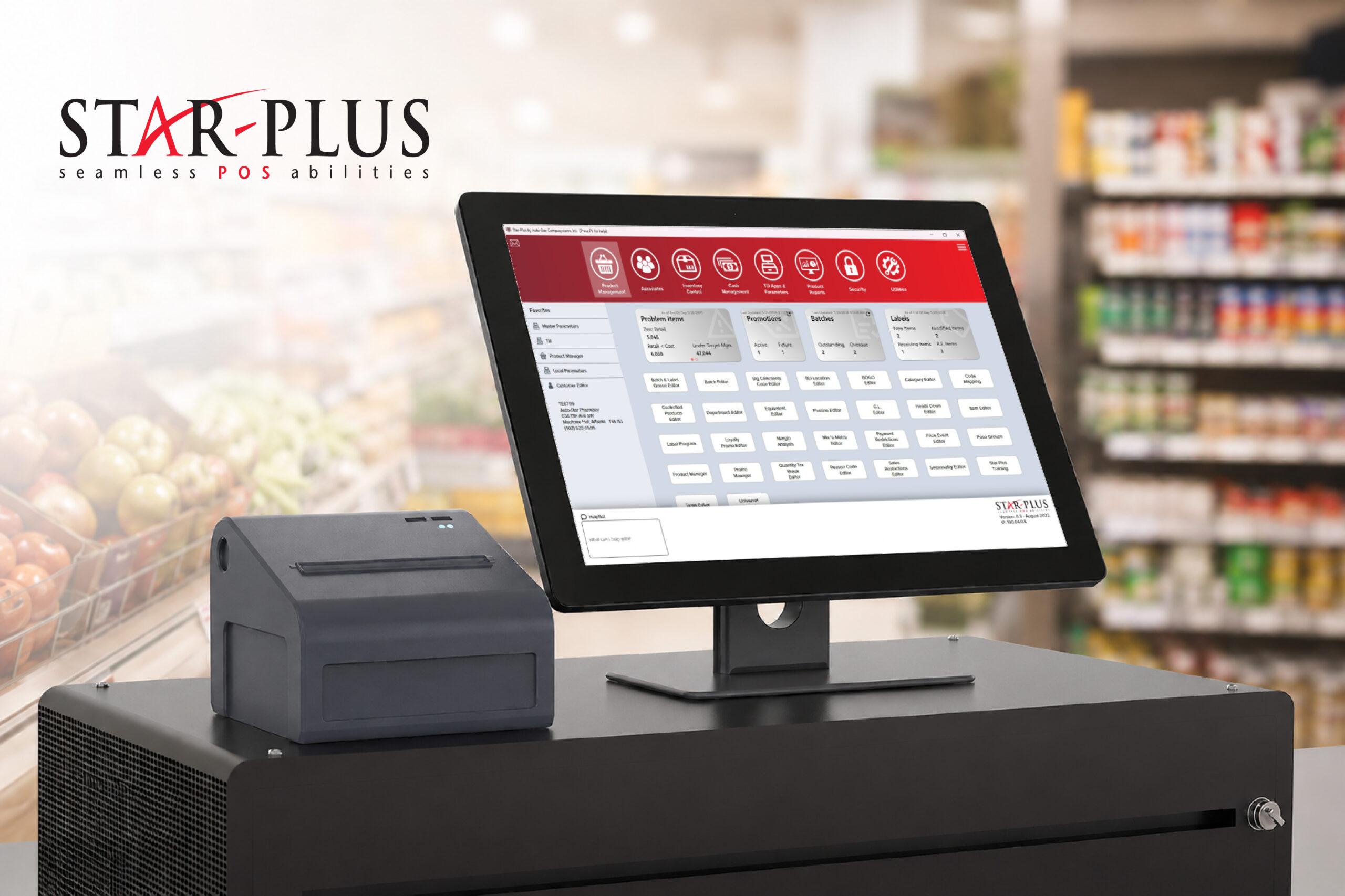
A visual PLU lookup screen can help cashiers quickly find and enter non-barcoded items such as fresh cuts, prepared foods, cheese, spices, and other specialty products. This can simplify checkout for any retailer managing a large variety of weighed, prepared, or non-barcoded items.
Your Payment Terminal Feels Like a Separate Part of Checkout
A payment terminal can work perfectly and still create unnecessary steps if it operates separately from the POS.
When staff have to move between systems or manually enter transaction information, there are more opportunities for delays and entry errors.
A more integrated setup can bring checkout and payment processing closer together, helping simplify the transaction for both staff and customers.
The goal is not technology for the sake of technology. It is removing steps that no longer need to be there.
Price Changes Create More Work Than They Should
Supplier pricing can change quickly, particularly when a store manages fresh, packaged, bulk, and specialty products.
If every change means updating multiple systems or spreadsheets, maintaining accurate information can become time-consuming.
Modern purchasing, receiving, and inventory tools help retailers manage products as they enter the store and move through daily operations. Automated data feeds can also help retailers import larger volumes of products and vendor information into the POS more efficiently.
For businesses that break bulk products into smaller retail quantities, keeping product and pricing information connected can reduce repetitive work and help keep pricing consistent from receiving through sale.
You Are Relying on Workarounds to Manage Wholesale Customers
Some butcher shops and specialty food markets also serve restaurants, caterers, commercial kitchens, or other local businesses.
At first, those customers may be manageable with separate spreadsheets, notes, or manual processes. As wholesale activity grows, so can the complexity.
Quotes, invoices, wholesale pricing, charge accounts, and delivery can all become part of the operation. An integrated retail system can help bring those activities together with in-store sales, making commercial accounts easier to manage within the same workflow.
You Cannot Easily See What Is Happening in the Business
Another sign a system may be falling behind is when simple questions become difficult to answer.
What is selling? What needs to be reordered? Which products are moving slowly? How are sales changing over time?
If finding those answers requires pulling information from several places, a more connected POS can make reporting and inventory information easier to access.
For a growing butcher shop, better visibility can help with purchasing, pricing, staffing, and other everyday decisions.
When Does an Upgrade Actually Make Sense?
A butcher shop should consider upgrading its POS when manual workarounds begin creating real operational costs, such as extra labor, pricing errors, inventory discrepancies, slower checkout, or limited data visibility. The trigger is not system age, but whether it still supports efficient operations and growth.
That may look like:
- Duplicate data entry that adds labor and increases errors
- Manual scale updates that consume staff time
- Slower checkout for specialty and weighed items
- Disconnected payments that add steps and keying errors
- Spreadsheet-based purchasing and inventory that can hide discrepancies
- Separate wholesale and delivery workflows that add administration
- Limited sales and inventory visibility that can make shrink and margin loss harder to identify
Individually, these issues may feel minor.
Together, they can be a sign that your business has outgrown the system supporting it.
Choose a Butcher Shop POS That Can Grow with the Business
Retail operations rarely become simpler as a business grows. More products, changing costs, weighed items, digital payments, wholesale accounts, delivery, and inventory all add new layers to what happens behind the checkout counter.
That complexity is reflected in how small businesses are using technology. According to the U.S. Chamber of Commerce, 58% of U.S. small businesses use four or more technology platforms, while nearly one-third use six or more.
For butcher shops and specialty food retailers, the goal should not be to keep adding disconnected tools every time the business develops a new need. A POS system that can support more of the operation can help reduce duplicate work and make it easier to add new products, services, customers, and sales channels over time.
If your current system is starting to create more work than it solves, explore a butcher shop POS solution that can grow with your business. Contact our team to learn more.