Grocery food trends have always influenced what shoppers put in their carts. What has changed is how quickly those trends spread.
For generations, Americans discovered recipes through family traditions, handwritten recipe cards, community cookbooks, magazines, and widely distributed cookbooks. Later, food television accelerated that process. Food Network launched in 1993 and helped turn personalities such as Rachael Ray, Bobby Flay, and Guy Fieri into nationally recognized names.
Social media changed the model again. Millions of creators can now share recipes, shortcuts, ingredient combinations, and product ideas almost instantly.
That content is influencing behavior. In 2025, half of Americans said they had encountered food or nutrition content on social media. Earlier IFIC research found that 51% of people who encountered this type of content had tried a new recipe because of it, while 42% had tried a new brand or product.
This is how the viral recipe emerged. What once took months or years to spread can now happen in days, giving recipes and ingredients a much faster path from discovery to the grocery list.
For grocers, that creates both opportunity and pressure. Retailers need to recognize which trends are gaining traction, understand the products behind them, and make sure the right items are available when shoppers come looking.
1. Watch the Trend Behind the Product
Viral cottage cheese recipes are a good example of a much larger opportunity.
Social media is filled with cottage cheese being blended into pasta sauces, dips, bowls, smoothies, egg dishes, flatbreads, and desserts. At the same time, high-protein options are expanding into more everyday grocery categories, including yogurt, cereal, oatmeal, pasta, snacks, and other meal staples.
The real trend is not cottage cheese itself. It is growing interest in high-protein eating and the reinvention of familiar foods.
These can include:
- Cottage cheese
- Greek or high-protein yogurt
- High-protein cereal
- High-protein oatmeal
- Protein-enriched pasta
- Eggs
- Meat and poultry
- Beans and legumes
- Protein-focused snacks
For grocers, the opportunity extends far beyond the dairy case.
Instead of asking only whether more cottage cheese should be stocked, retailers can look at the broader eating goal and identify where high-protein demand is appearing across categories.
2. Think About the Whole Basket
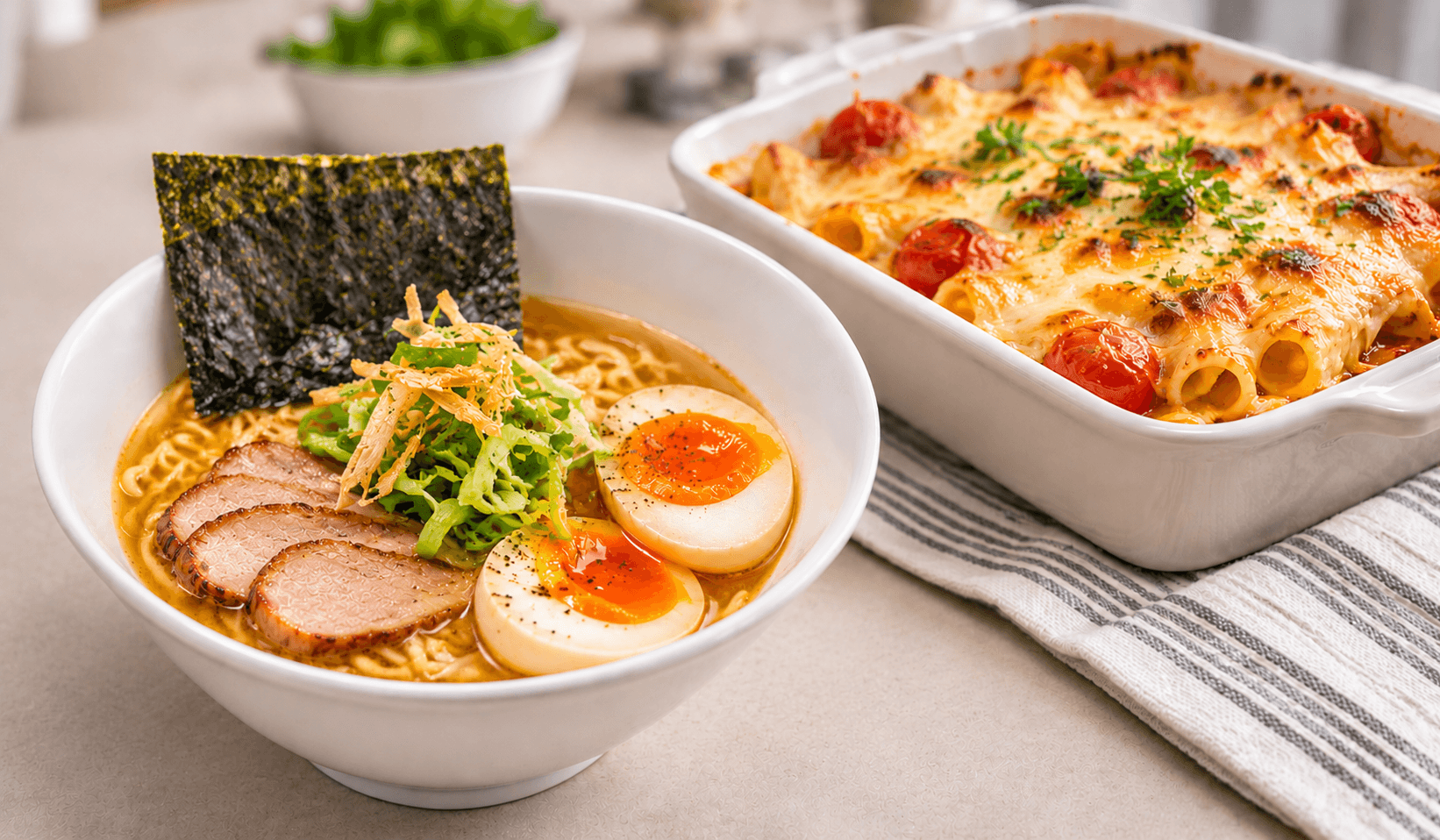
Ramen shows how one familiar category can create opportunities across several departments.
Whole Foods Market identified upgraded instant foods as a 2026 trend, pointing to ramen enhanced with ingredients such as bone broth and chili crisp. Social media is helping reposition instant foods as customizable meal solutions rather than basic convenience products.
A shopper building a ramen bowl may also need eggs, meat, mushrooms, green onions, bok choy, kimchi, chili crisp, gochujang, sesame oil, nori, or frozen dumplings.
The noodles may start the purchase, but the meal can extend into produce, meat, refrigerated, frozen, and center store.
Viral pasta provides another example.
When baked feta pasta took off on social media, Instacart reported a 106% spike in orders containing the recipes ingredients on its peak day. Shoppers were not buying feta alone. The recipe created demand for pasta, tomatoes, olive oil, garlic, and other ingredients. It later inspired variations using specific products such as Boursin cheese.
Again, the products were not new. Social media gave shoppers a new reason to buy and use them.
For grocers, the lesson is simple: do not stop at the trending ingredient. Look at the basket around it.
3. Pay Attention to Global Foods Moving Mainstream
Social media is also making it easier for foods, ingredients, and flavors from around the world to reach U.S. shoppers.
Dubai chocolate is one of the clearest recent examples. The pistachio-filled chocolate associated with Dubai became a social media phenomenon and quickly inspired other products, including desserts, baked goods, beverages, and frozen treats.
Bubble tea followed a similar path over a longer period. The Taiwanese drink helped introduce a wider U.S. audience to tapioca pearls, milk teas, and chewy textures.
Other examples gaining attention include:
- Matcha drinks, desserts, chocolate, and snacks
- Mochi and mochi-inspired desserts
- Korean ramyun
- Kimchi and gochujang
- Korean corn dogs
- Ube desserts and beverages
- Japanese teas such as hojicha
- Frozen dumplings and Asian-style snacks
The opportunity can also extend into related categories.
A shopper looking for Dubai chocolate may be interested in pistachio products, kataifi, specialty chocolate, or other Middle Eastern sweets. Interest in bubble tea can create demand for tapioca pearls, milk tea mixes, popping boba, and Asian beverages.
Social media may introduce the product, but the larger retail opportunity often comes from everything shoppers discover around it.
3. Make Trending Products Easier to Spot
Grocers do not need to build a special display every time a recipe goes viral. Depending on the products involved, there are two practical approaches.
Highlight Trending Products Where They Are Stocked
Some grocery food trends involve ingredients from several departments, including refrigerated and frozen products that cannot easily be grouped together.
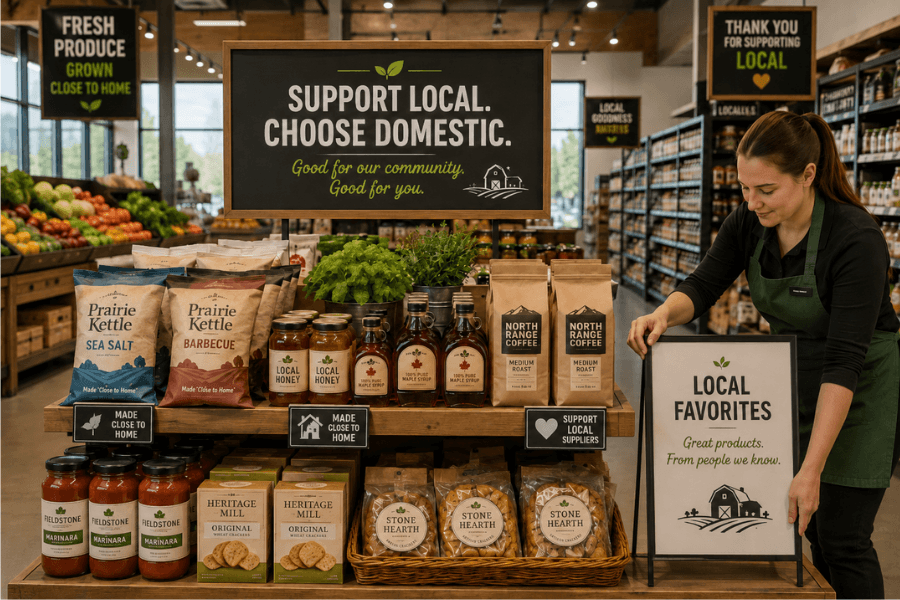
In those cases, shelf tags or small signs can highlight trending products where they are already stocked.
Create signs and labels with messages like:
- Viral Ingredient
- Trending Now
- Seen on Social
- Viral Recipe Favorite
- High-Protein Pick
This keeps products where they belong while helping shoppers connect what they saw online with what is available in the store.
Build and Measure a Trend-Focused Endcap
When most of the products are shelf stable, a temporary endcap can bring complementary items together.
A ramen-focused endcap could include noodles, broth, chili crisp, gochujang, sesame oil, soy sauce, nori, and other shelf-stable toppings. Signs can direct shoppers to refrigerated or frozen additions elsewhere in the store.
A-Sha Foods has used prominent Target endcaps featuring ramen and boba products, providing a good example of using in-store merchandising to turn social media interest into product discovery.
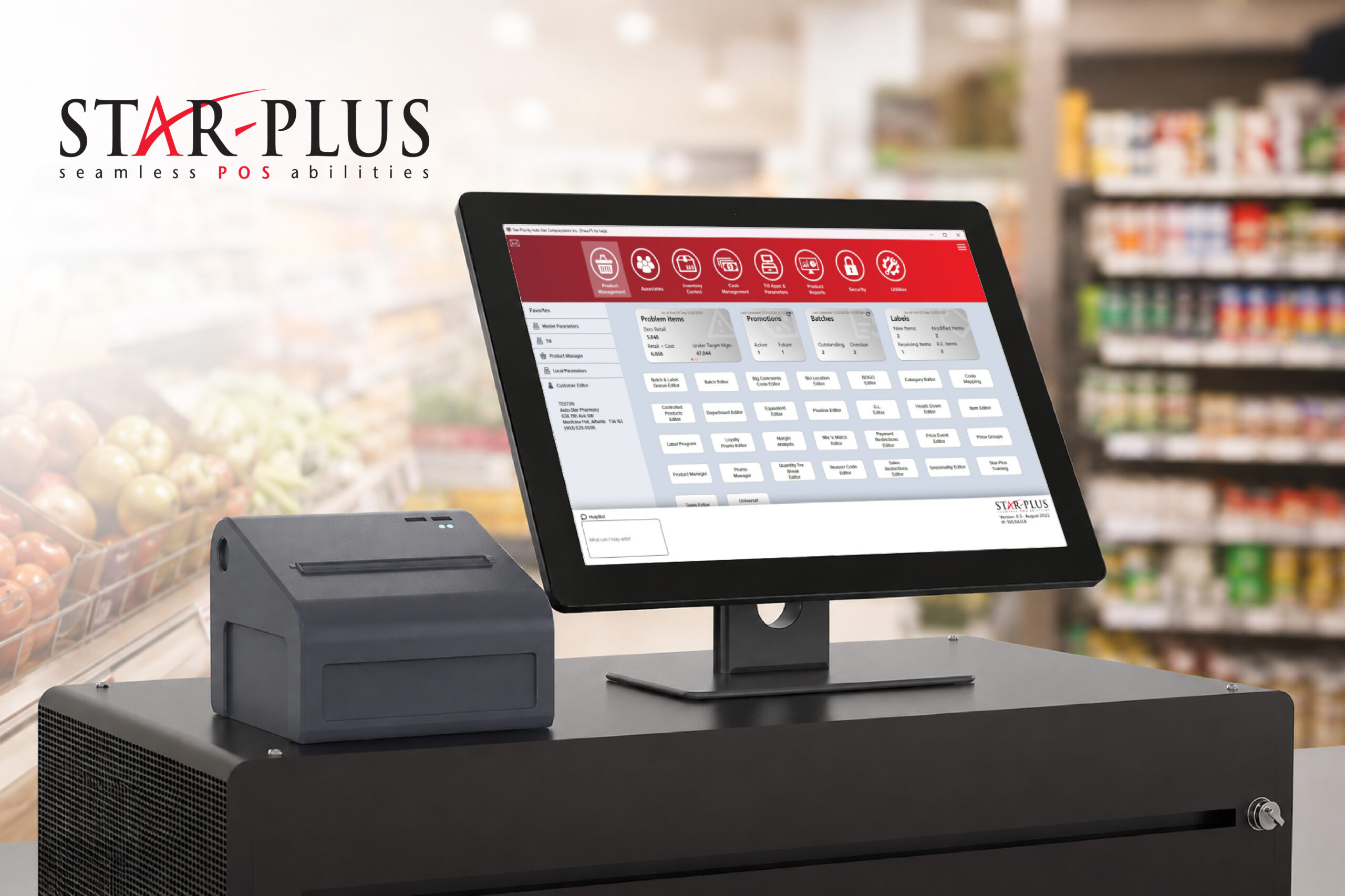
If your POS system includes a Store Layout Editor with sales heat mapping, management can map the endcap and compare sales activity in the area before and after the merchandising change.
That turns a trend-focused display into a test.
If it performs well, retailers can extend the promotion, expand the assortment, or repeat the idea.
4. Build a Simple System for Spotting and Measuring Grocery Food Trends
Most grocery owners do not have time to spend hours scrolling through TikTok.
They do not need to.
Track Customer Requests
Start with what shoppers are already telling you.
Give employees an easy way to record requested products or ingredients. Track the product, brand, category, date, repeat requests, and whether the shopper mentioned a recipe or social media trend.
One request may not mean much. Repeated requests deserve more attention.
Assign a Trend Scout
Consider asking a social-media-savvy employee to spend 10 or 15 minutes each week watching for recurring food trends.
Look for ingredients appearing repeatedly, recipes gaining momentum, global foods reaching broader audiences, and familiar products being used in new ways.
Compare Trends with Your Own Sales Data
Social media can tell you what is getting attention.
Your POS tells you what your customers are actually buying.
A grocery POS system with strong inventory and reporting tools can help management monitor:
- Unit and category sales
- Inventory levels and product movement
- Suggested ordering and purchasing needs
- Inventory turn rates
- Promotion performance
- Changes in sales over time
For example, if shoppers begin asking for gochujang while sales of Korean noodles, dumplings, and kimchi are also increasing, several signals point in the same direction.
That may justify expanding the assortment.
However, if a viral product sells quickly for two weeks and then stalls, sales and inventory data can help retailers avoid over-ordering.
This is where trend awareness and inventory management need to work together.
The goal is not simply to have a viral product in stock. It is to have enough of the right products at the right time without being left with excess inventory when interest fades.
Use Retail Technology to Keep Up with Changing Demand
Grocery retail trends can move quickly, but inventory and merchandising decisions do not have to rely on guesswork.
Sales reporting, inventory management, sign and label creation, store layout tools with sales heat maps, and electronic shelf labels can help retailers understand what is selling, promote trending products, and respond more efficiently as shopper demand changes.
Food trends may come and go, but the opportunity for grocers remains the same: understand what shoppers are interested in and have the right products available.
For retailers, staying connected to how people discover and enjoy food can turn into larger baskets, stronger merchandising, and smarter inventory decisions.
If you are looking for better ways to manage inventory, evaluate merchandising, and respond to changing grocery food trends, contact Auto-Star to learn more about the tools available for your store.